Product Overview
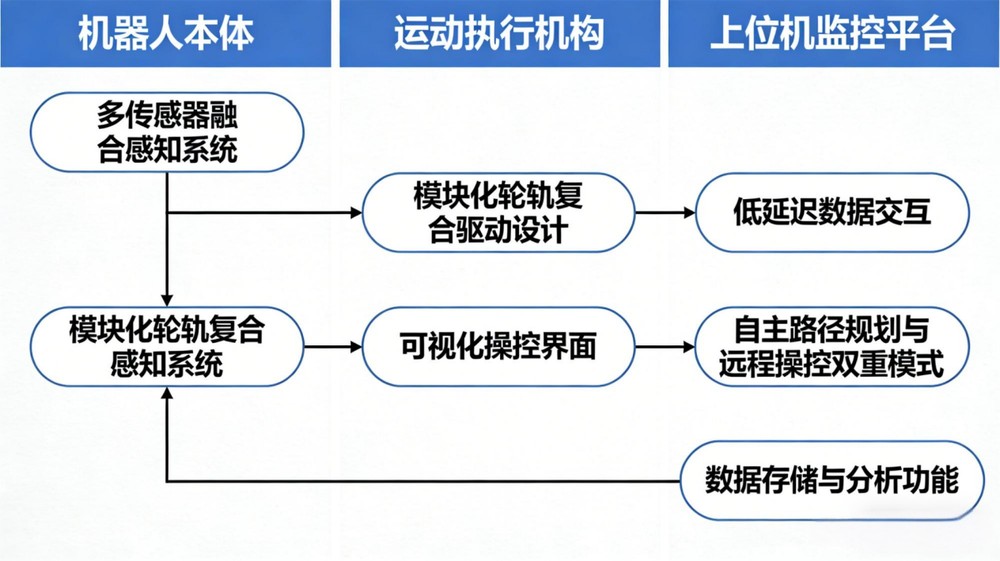
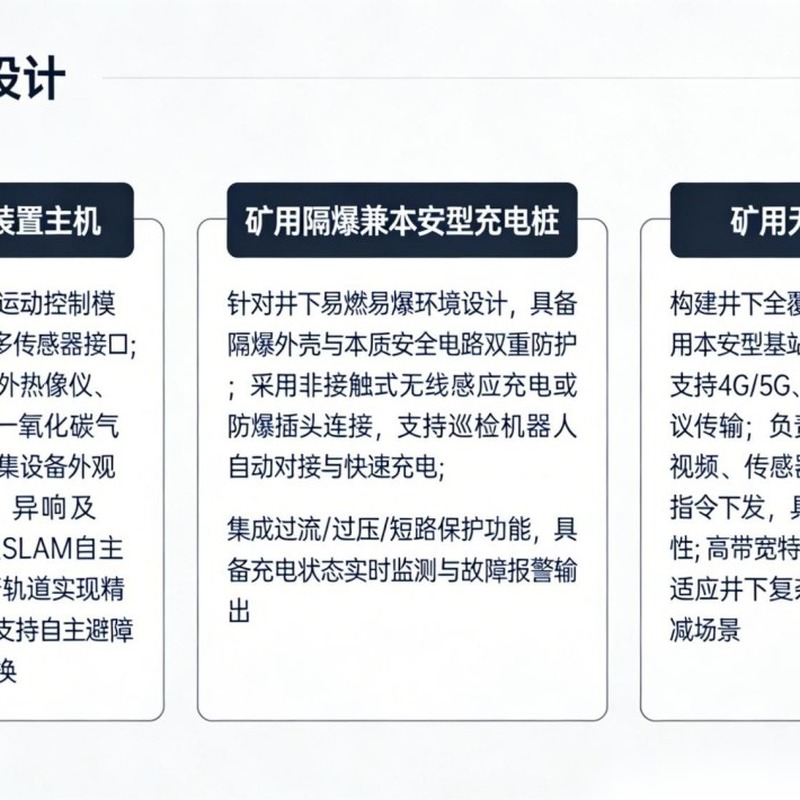
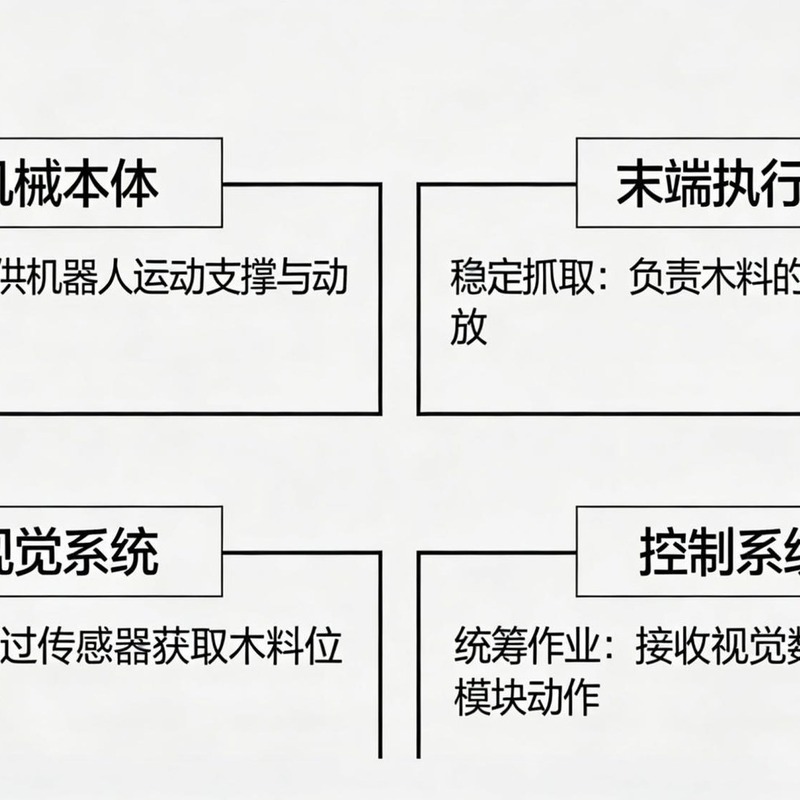
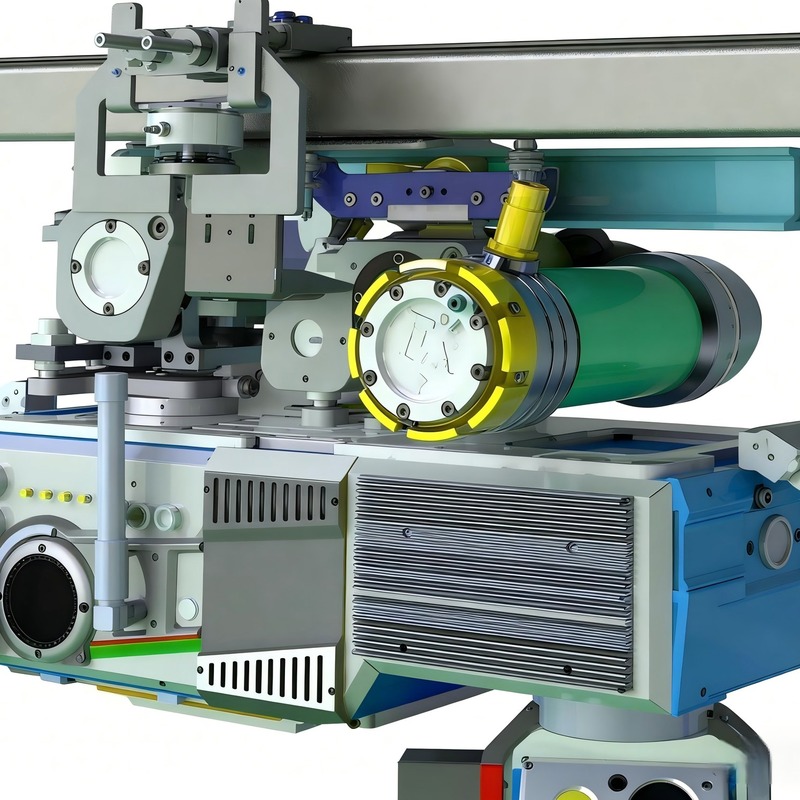
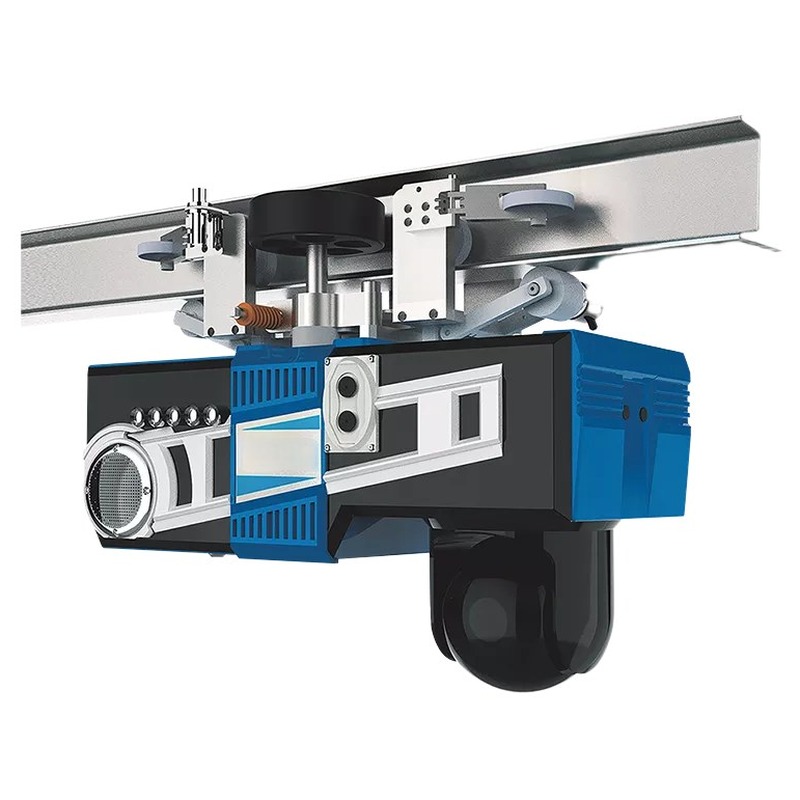
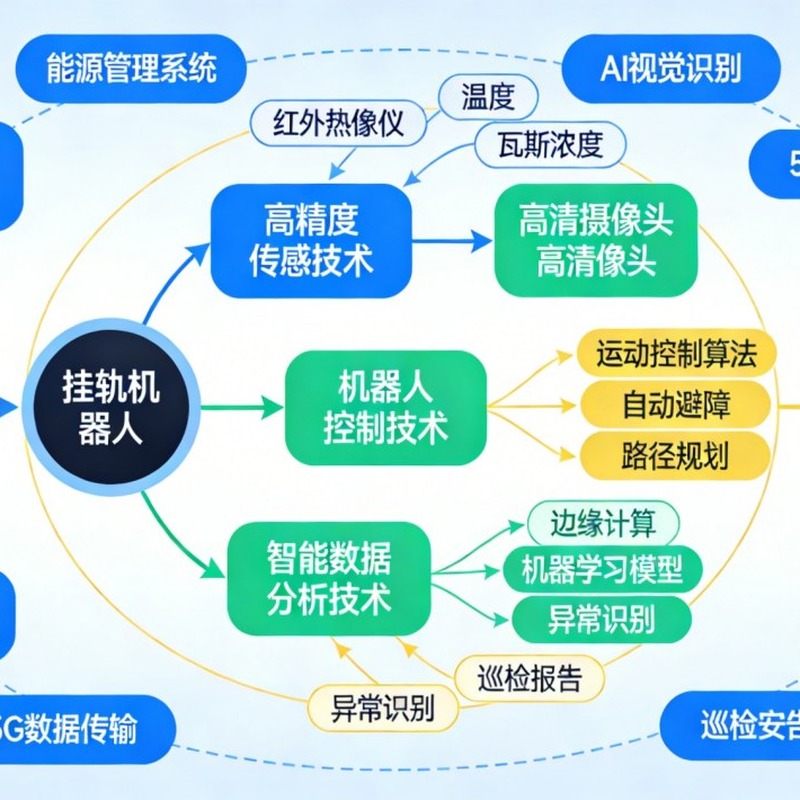
The Suspended Rail Robot System mainly consists of the robot body, motion mechanism and upper-level monitoring platform. Control commands can be issued from the upper-level terminal to the underground robot. With sensing, robotics and AI analysis technologies, it supports power monitoring, autonomous charging, data collection and fault analysis during inspection.
Product Description
A single inspection robot is a tool; a complete inspection system is a management capability. The Suspended Rail Robot System is delivered as an integrated package — robot body, motion mechanism and upper-level monitoring platform — designed to operate as one connected inspection solution for underground and industrial environments.
At the physical layer, the robot body carries the sensors and computing needed for inspection, and the motion mechanism provides reliable travel along the suspended rail. At the management layer, the upper-level monitoring platform is the operator's window into the whole system: control commands are issued from the upper-level terminal directly to the robot underground, so dispatchers can direct the robot to a specific area, trigger an inspection run or reposition it — without personnel entering the inspected area.
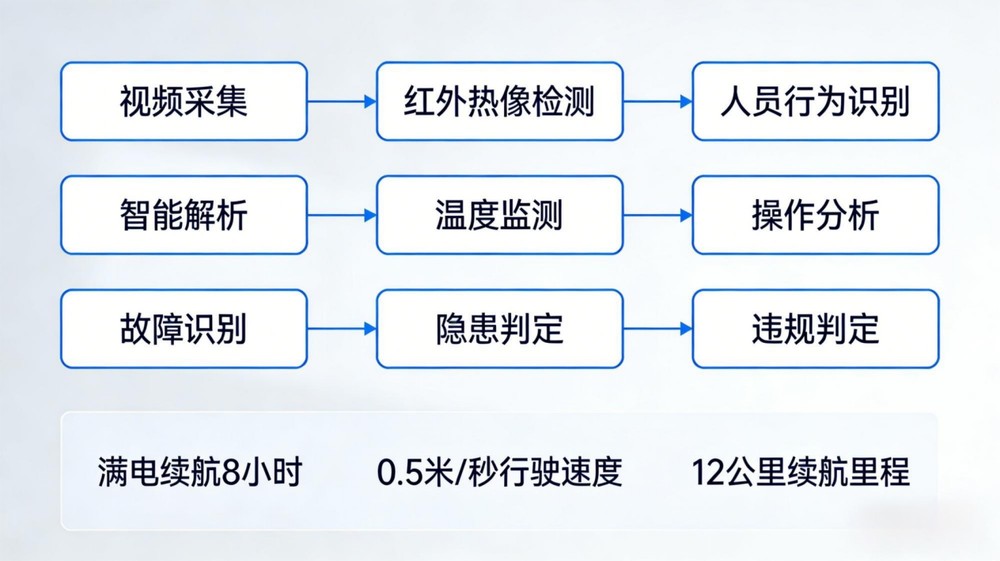
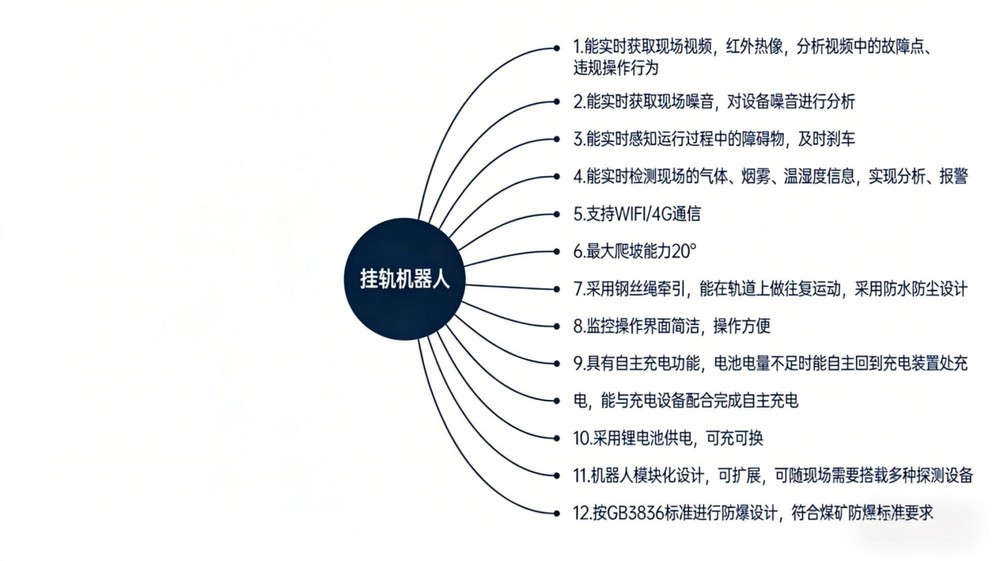
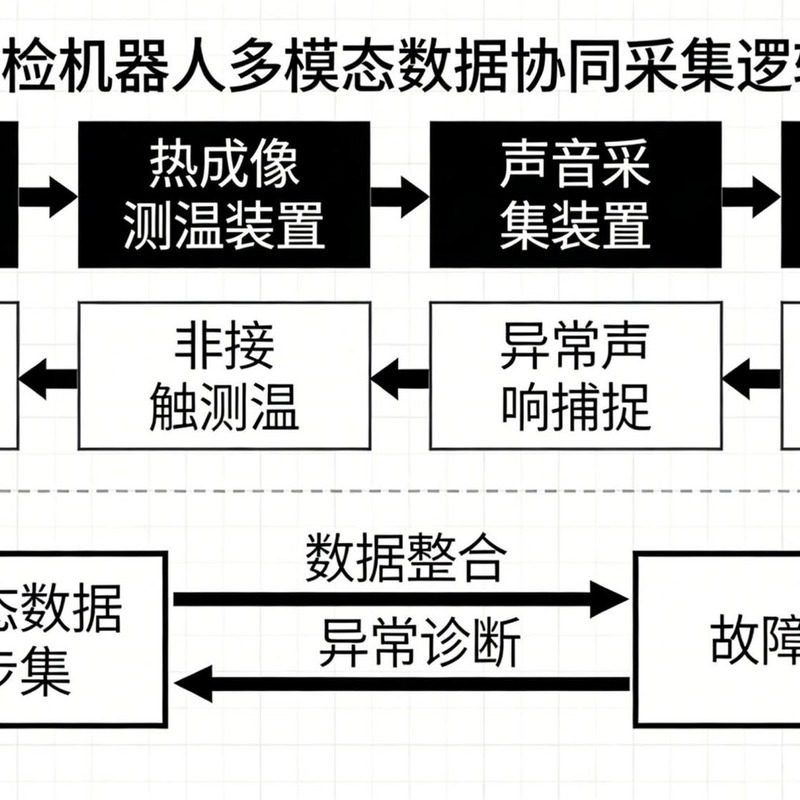
The system combines sensing, robotics and AI analysis into a continuous inspection workflow. During a run, it supports power monitoring of the equipment it inspects, data collection across its sensor channels and fault analysis based on the gathered data. Power management is fully integrated: the robot supports autonomous charging, returning to its charging position when the battery level requires it, which frees operations from manual intervention. The result is an inspection capability that runs on its own — collecting data, analyzing faults and reporting to the platform — so engineers focus on acting on findings rather than managing the inspection process.
Key Features
- Complete system: robot body, motion mechanism, upper-level monitoring platform
- Remote control commands from upper-level terminal to underground robot
- Power monitoring, data collection and fault analysis in inspection workflow
- Autonomous charging with no manual intervention
- Sensing, robotics and AI analysis technologies integrated
Technical Specifications
| Parameter | Value |
|---|
| System Composition | Robot body, motion mechanism, monitoring platform |
| Control | Upper-level terminal to robot commands |
| Inspection Capability | Power monitoring, data collection, fault analysis |
| Charging | Autonomous charging |
| Technologies | Sensing, robotics, AI analysis |
Applications
Underground mine inspection management, automated patrol scheduling with remote dispatch, integrated inspection data and fault analysis for industrial plants, and turnkey inspection automation projects.
![]()
![]()
![]()