Product Overview
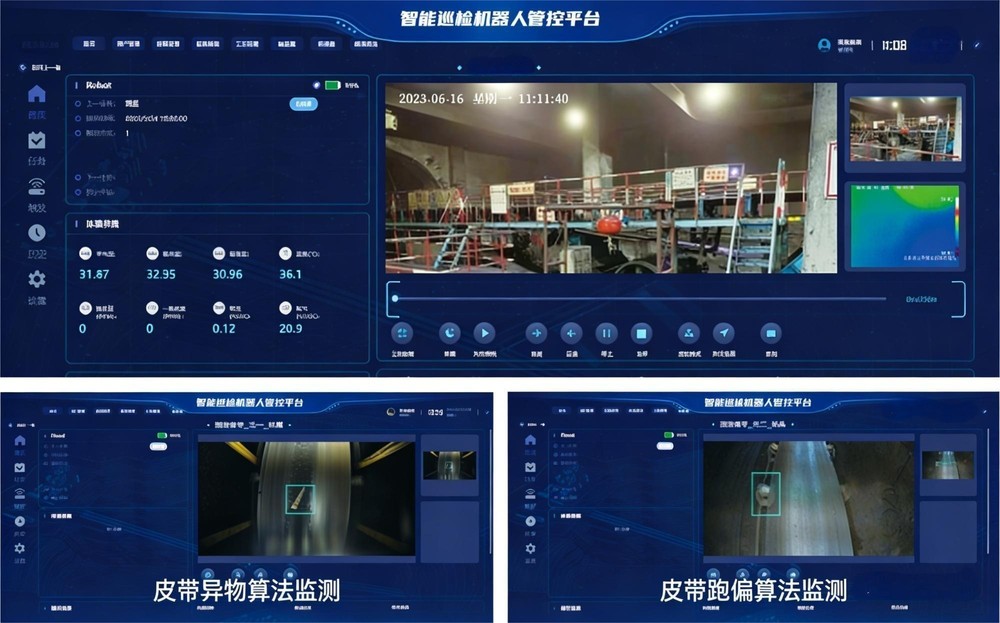
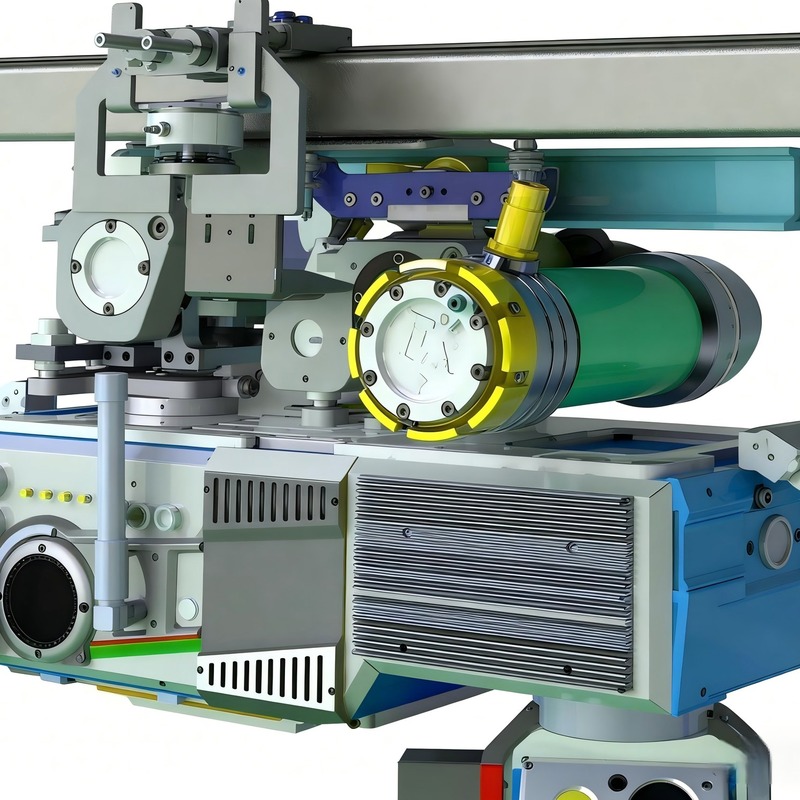
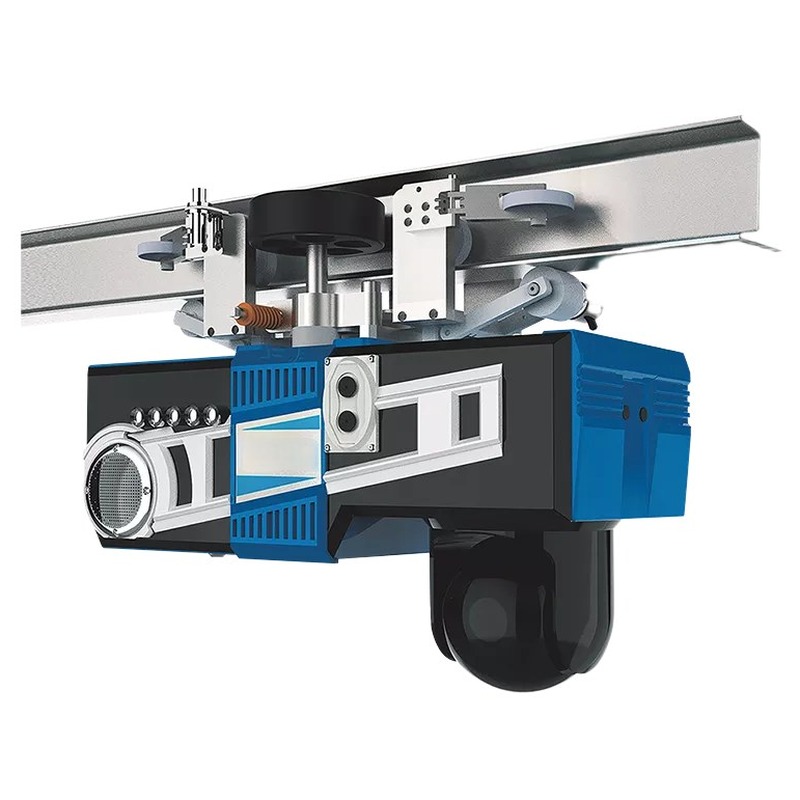
The Intelligent Rail Inspection Robot is based on AI technology, simulating the human diagnostic processes of "look, smell, listen, feel, and think" to perform automated inspection, data collection, and intelligent AI analysis of conveyor belt roadways. Real-time data transmission to the surface control room enables advance prediction, early warning, and prevention — fully replacing manual inspection, reducing labor risk, and elevating underground roadway intelligent management.
Product Description
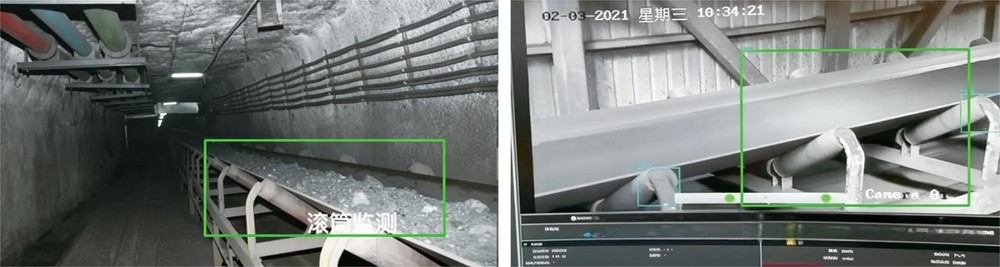
Belt conveyor roadways in underground mines are long, low, dusty, and inherently dangerous environments for human inspection. The conveyors themselves are among the most critical and failure-prone equipment in the mine, with belt deviation, tearing, bearing failure, and material spillage representing constant operational risks. The Intelligent Rail Inspection Robot eliminates the need for human inspectors to walk these roadways by performing comprehensive, sensor-based, AI-analyzed inspection on a suspended rail platform.
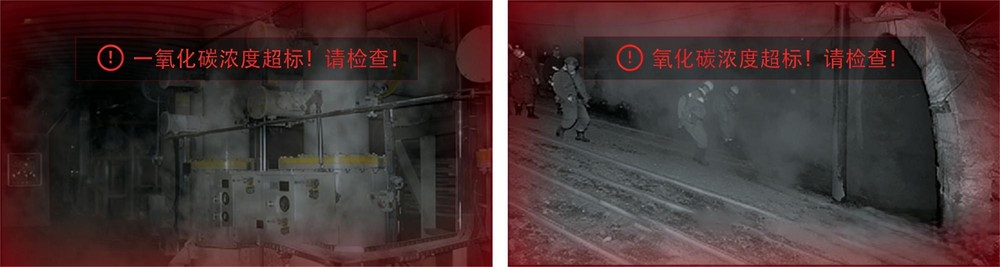
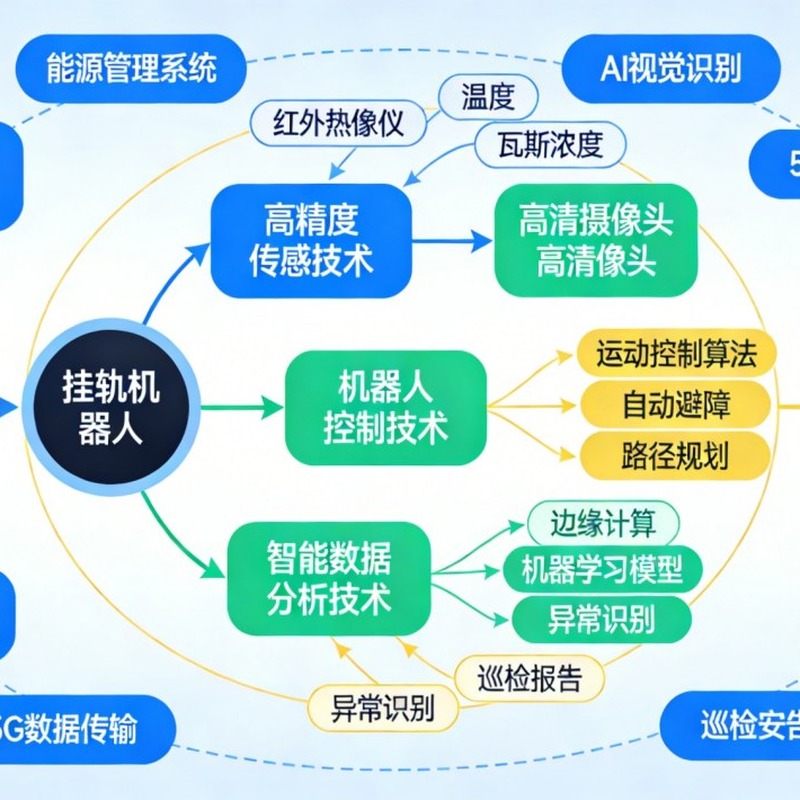
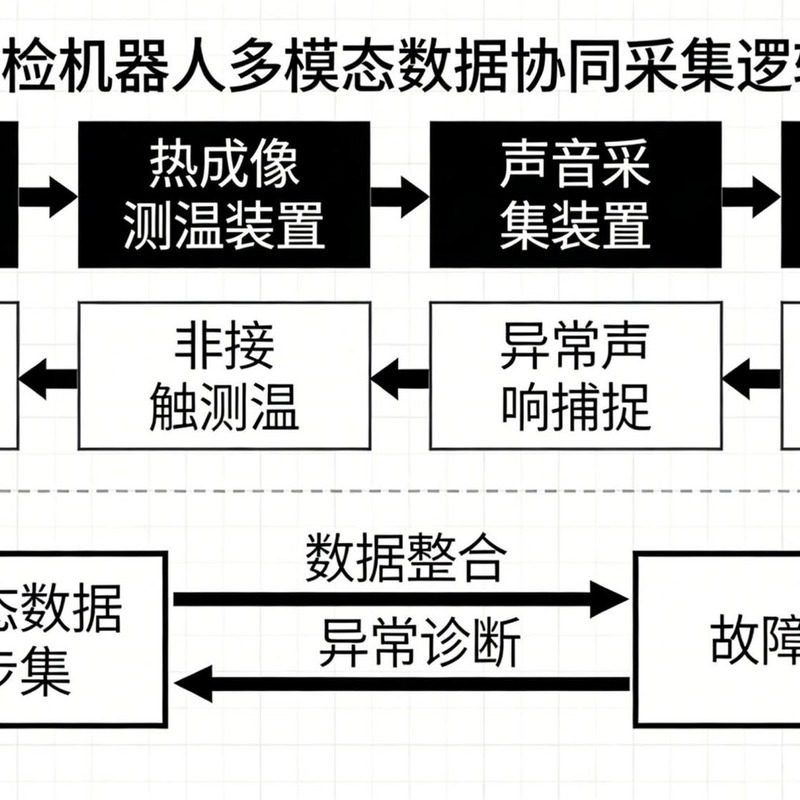
The robot's design ingeniously mirrors the five human diagnostic senses. "Look" — a dual-spectrum PTZ camera with 30× optical zoom and 1080P visible-light imaging monitors belt deviation, material spillage, leakage, and foreign object detection. "Smell" — multi-parameter sensors detect gas, carbon monoxide, hydrogen sulfide, smoke, and three additional environmental parameters. "Listen" — multiple microphones capture conveyor belt idler (roller) abnormal sounds and pinpoint their location through acoustic analysis. "Feel" — a thermal imaging camera performs omnidirectional temperature measurement, localizing problem hot-spots. "Think" — deep learning object detection algorithms combined with traditional computer vision algorithms identify and classify various anomalies, while an AI learning system autonomously iterates and optimizes its knowledge base.
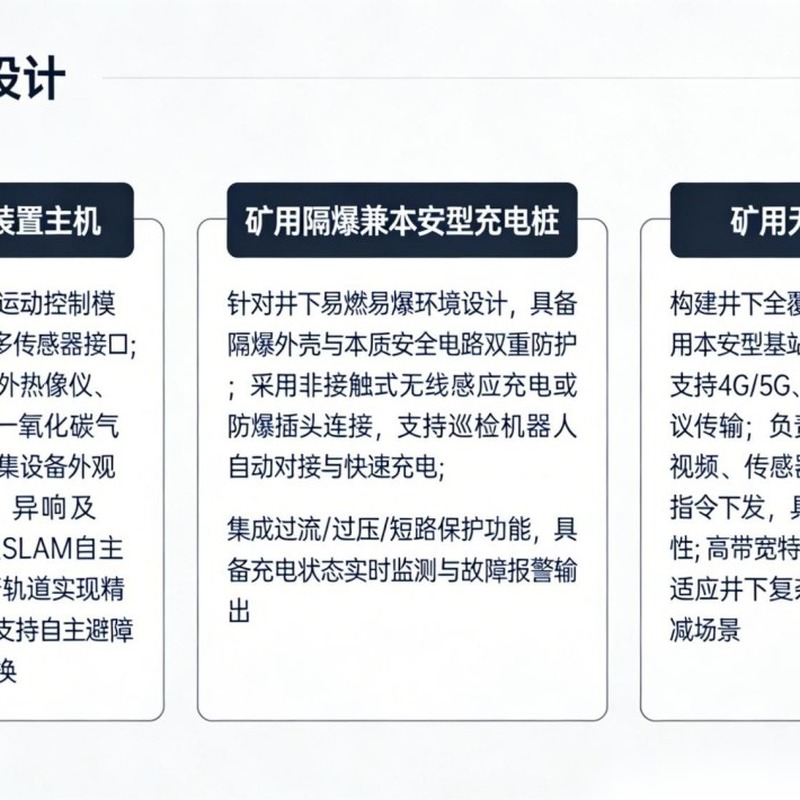
The robot's mechanical platform is suspended from a rail, achieving a horizontal travel distance of ≥5 km per full charge at 0.5 m/s, with 5-hour flat-ground endurance and 4-hour charging time. The 45° slope climbing capability uses a multi-wheel tight-hoop design for reliable traction on inclined rails. The modular design facilitates maintenance, and the system supports customized sensor payloads for different inspection requirements. Transmission protocols include RS-485, RS-232, Ethernet, 4G, 5G, wireless WiFi, and power-line carrier communication, with 300 Mbps wireless network bandwidth and 600–1000 m inter-base-station transmission distance.
The robot's PTZ provides horizontal 0°–360° and vertical −90° to +90° coverage. The visible-light camera offers 30× optical zoom with 5 megapixels resolution, while the infrared thermal imager (384×288) covers a −20 °C to +150 °C measurement range. The system supports up to 300 intelligent preset positions for automated inspection routes. Video is captured at 1080P at 120+ fps with 30-day default retention. With IP54 protection, an operating temperature of −35 °C to 75 °C, and a storage temperature of −40 °C to 85 °C, the robot is built for the extreme thermal range of underground environments. The compact form factor (550 mm × 260 mm × 260 mm) and weight of ≤20 kg facilitate installation on standard mine rail systems. Input/output voltage is AC 127–220 V / DC 12 V at 4 A / 200 W.
Key Features
- "Look": dual-spectrum PTZ, 30× zoom 1080P, belt deviation/spillage/foreign object detection
- "Smell": 6-parameter gas detection (gas, CO, H₂S, smoke, and more)
- "Listen": multi-microphone idler abnormal sound capture and localization
- "Feel": thermal imaging omnidirectional temperature measurement
- "Think": deep learning + traditional CV algorithms for anomaly identification
- AI learning system for autonomous knowledge iteration
- 45° slope climbing, modular design, customizable sensor payload
- 300 preset positions, 1080P@120+ fps video, 30-day retention
Technical Specifications
| Parameter | Value |
|---|
| Protection Rating | IP54 |
| Operating Temperature | −35 °C to 75 °C |
| Storage Temperature | −40 °C to 85 °C |
| Operating Humidity | 5–95% non-condensing |
| Input/Output Voltage/Power | AC 127–220 V / DC 12 V, 4 A / 200 W |
| Travel Mechanism | Suspended rail |
| Horizontal Range | ≥5 km (full charge, level) |
| Travel Speed | 0.5 m/s |
| Flat-Ground Endurance | 5 h |
| Charging Time | 4 h |
| Transmission Protocols | RS-485, RS-232, Ethernet, 4G, 5G, WiFi, power-line carrier |
| Wireless Bandwidth | 300 Mbps |
| Camera | 30× optical zoom, 5 MP |
| Infrared Thermal Imager | 384×288, −20 °C to +150 °C |
| PTZ | Horizontal 0°–360°, vertical −90° to +90° |
| Dimensions | L550 mm × W260 mm × H260 mm |
| Weight | ≤20 kg |
| Climbing Angle | ≤45° |
| Turning Radius | Horizontal ≥1.5 m, vertical ≥2 m |
| Inter-Station Distance | 600–1000 m |
| Max Preset Positions | 300 |
| Video | 1080P, 120+ fps, 30-day default retention |
Applications
Conveyor belt roadway inspection, underground utility tunnels, mine main incline, aquaculture facilities, chemical plants, and other complex environment inspection across power, chemical, mining, and municipal industries.
![]()
![]()
![]()