Product Overview
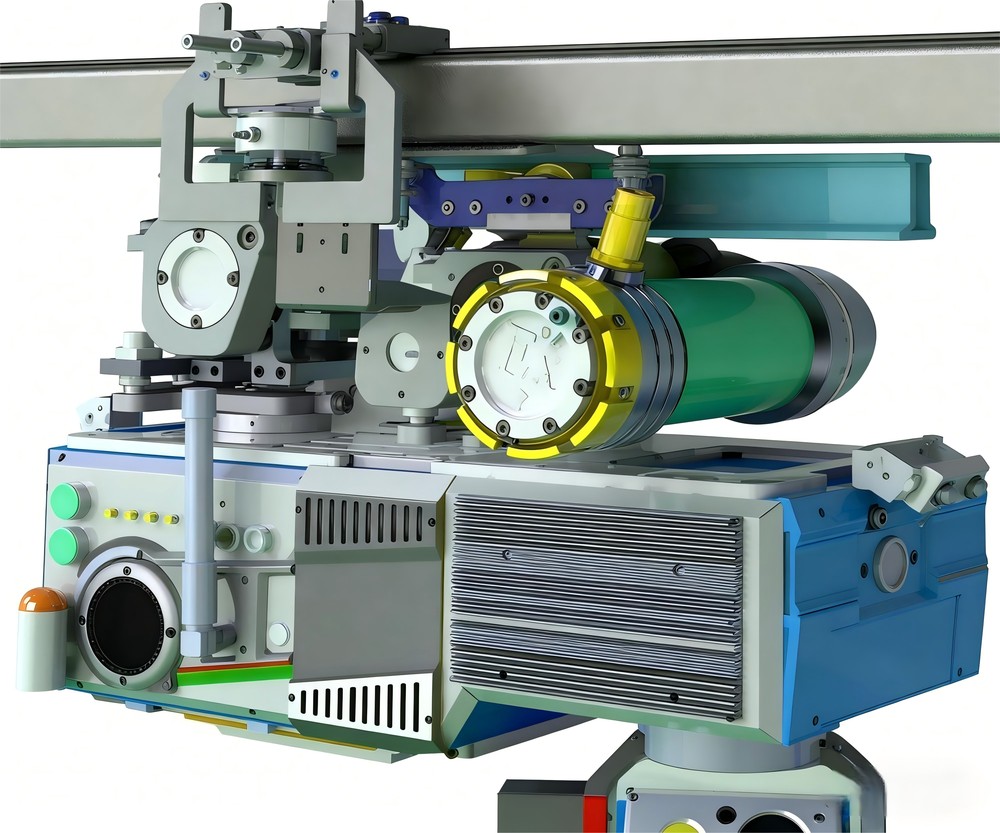
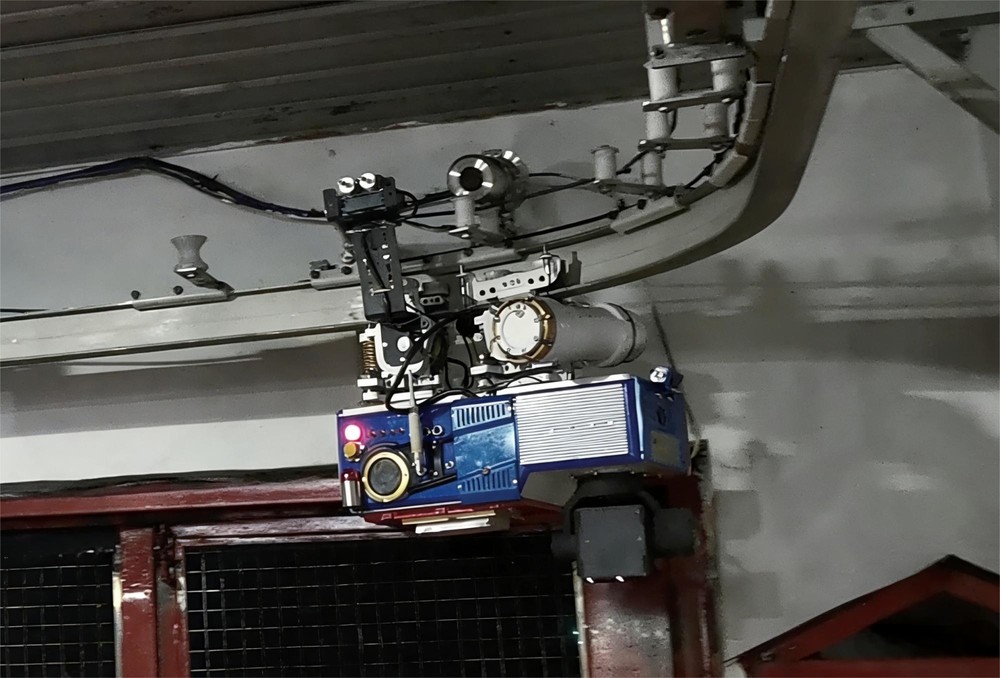
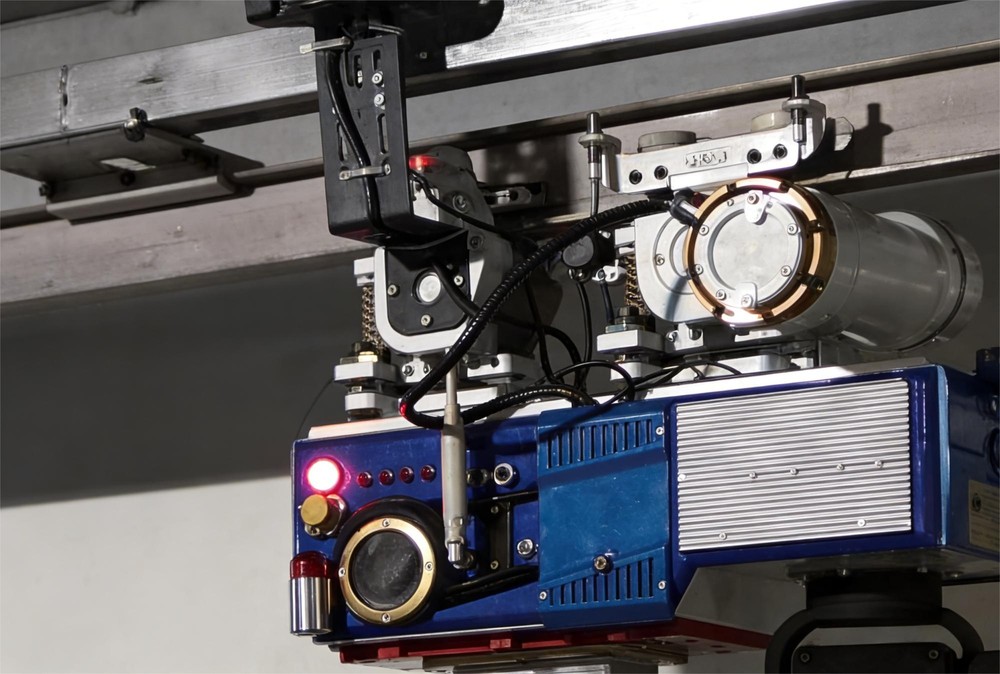
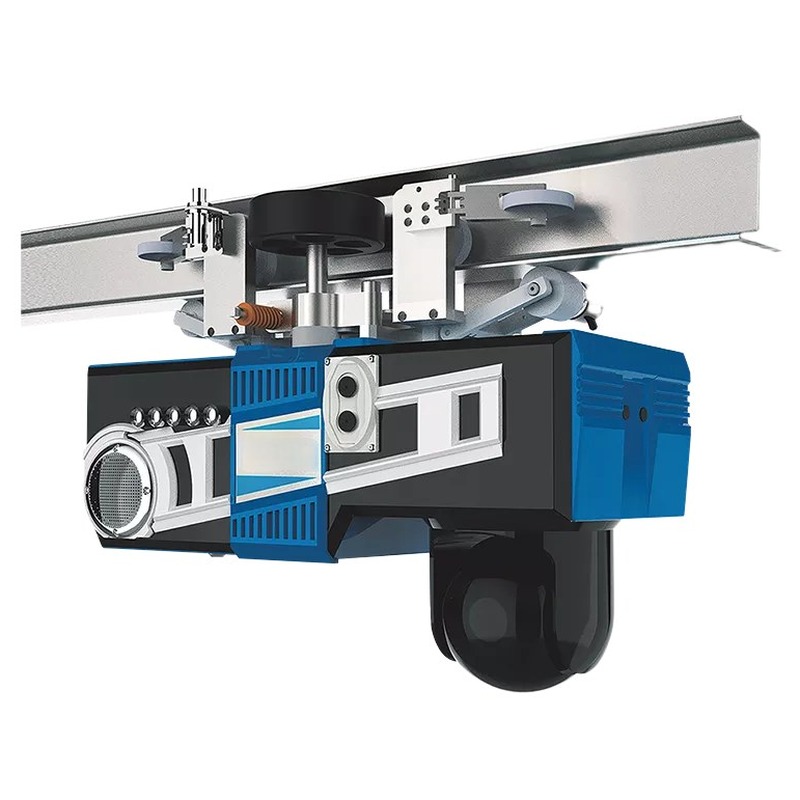
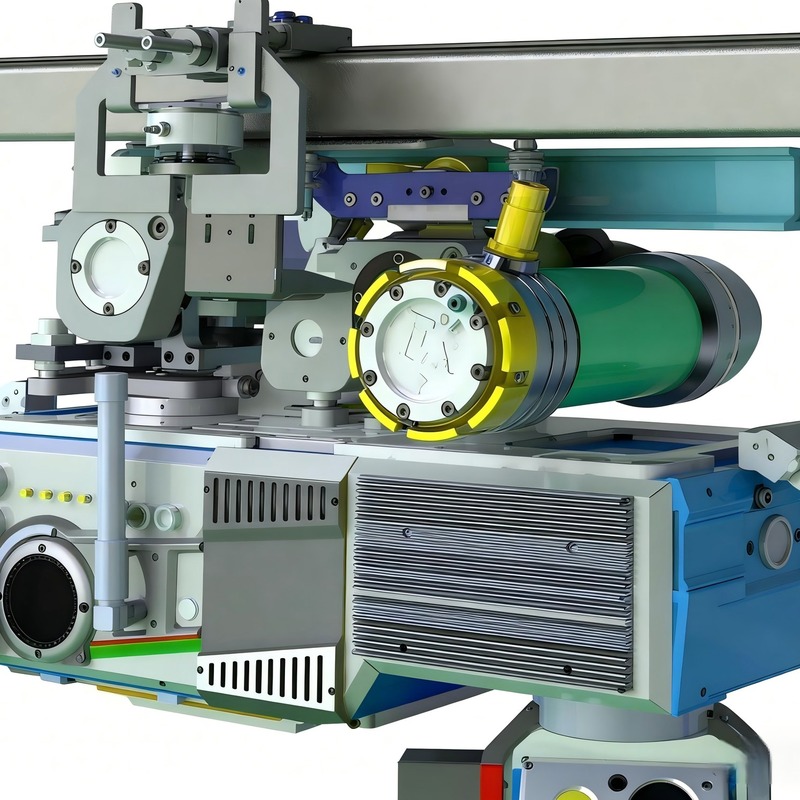
The Cable-Dragging Inspection Robot uses an innovative cable-dragging power supply mode that eliminates underground charging safety risks and the approval difficulties associated with charging-safety certification in mining environments. Applying AI technologies, the robot inspects conveyor roadways automatically and transmits sound, temperature and gas data to the central control room in real time.
Product Description
Underground inspection robotics faces a problem that surface industries never encounter: charging batteries in explosion-risk environments. Traditional battery-powered inspection robots must return to charging stations underground, which creates fire and explosion safety concerns and triggers rigorous charging-safety certification procedures that are difficult to obtain. The Cable-Dragging Inspection Robot solves this at the power architecture level.
Instead of battery charging, the robot uses an innovative cable-dragging power supply mode: continuous power is delivered through a dragged cable as the robot travels, so there is no charging process to manage underground, no charging station to certify and no battery-change safety risk. This removes the single largest obstacle to deploying inspection automation in mines and, equally important, removes the associated approval difficulty — a practical advantage that determines whether a mine can adopt the technology at all.
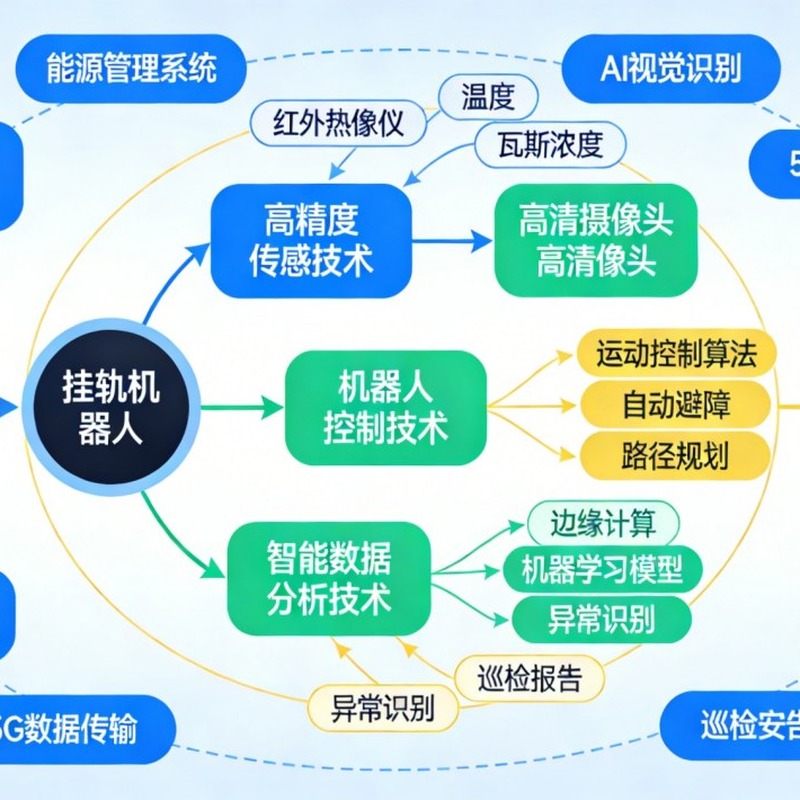
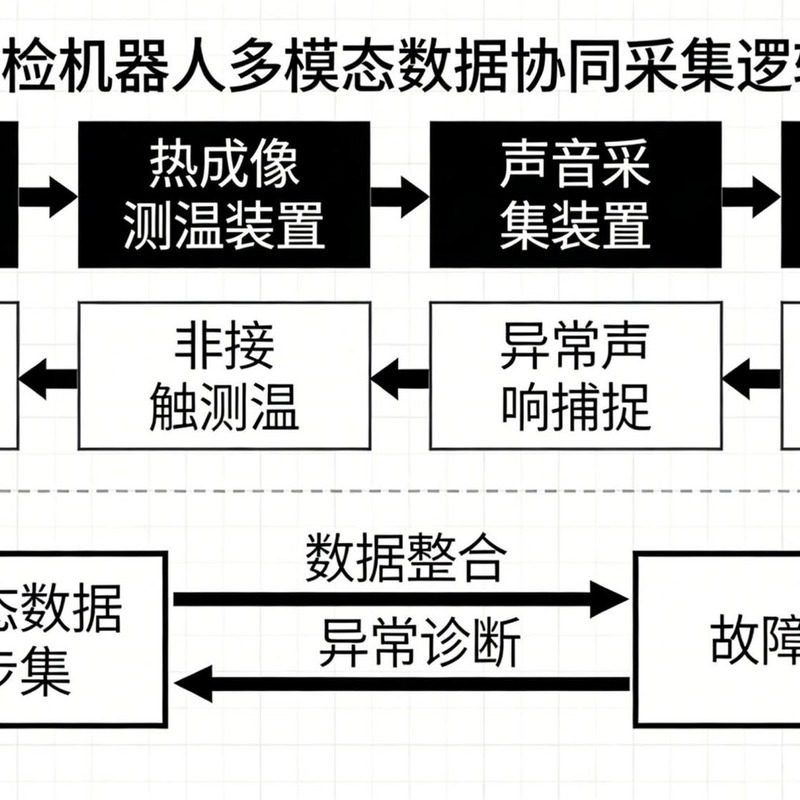
Powered continuously, the robot combines AI inspection with intelligent travel. It inspects conveyor roadways automatically, following the route and capturing the condition data that matters in an underground environment: sound, temperature and gas readings are transmitted to the central control room in real time. Mine operators see the changing condition of the roadway continuously, rather than relying on periodic manual patrols, and can respond faster to developing hazards.
Key Features
- Cable-dragging power supply eliminates underground charging risks
- Avoids charging-safety certification approval difficulties
- AI-based automatic inspection of conveyor roadways
- Real-time transmission of sound, temperature and gas data
- Continuous power supports long-duration patrol missions
Technical Specifications
| Parameter | Value |
|---|
| Power Supply | Cable-dragging continuous supply |
| Charging | Not required; no underground charging |
| Inspection Capability | AI-powered automatic roadway inspection |
| Data Transmission | Real-time to central control room |
| Monitored Parameters | Sound, temperature, gas |
| Target Environment | Underground conveyor roadways |
Applications
Automatic inspection of conveyor roadways in underground mines, real-time environmental monitoring in mining tunnels, and inspection automation where underground battery charging is not permitted or certified.
![]()
![]()
![]()